
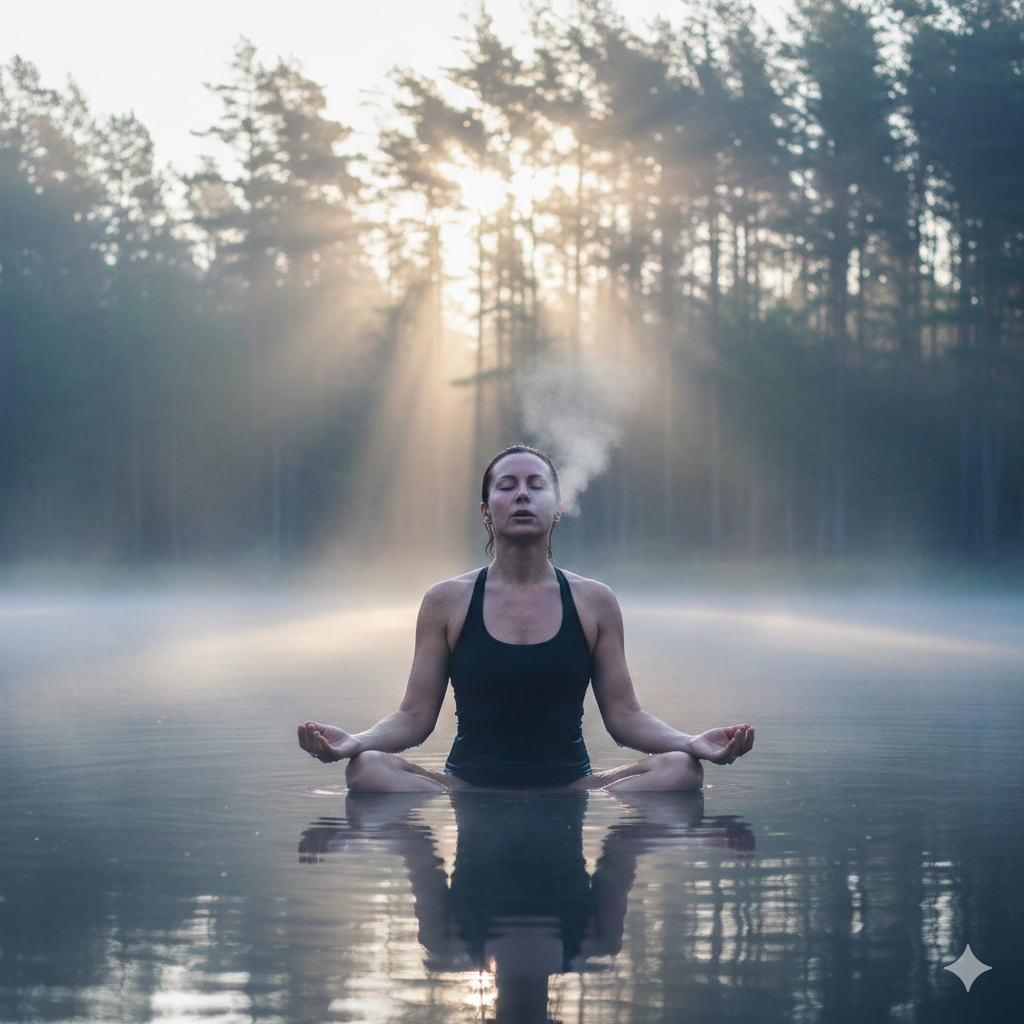

The Icy Calm: How Cold-Water Exposure Can Help Manage Anxiety
Anxiety disorders affect millions, often leaving individuals caught in a cycle of worry, physical tension, and hypervigilance. While therapy and medication remain essential treatments for many, a growing body of research highlights a powerful, complementary tool: deliberate cold-water exposure. This practice, ranging from cold showers to ice baths, isn’t just a test of endurance—it’s a potent form of physiological training that can directly counter anxiety’s grip.
At its core, anxiety is a state of heightened sympathetic nervous system activity—our “fight-or-flight” response gone into overdrive. Cold exposure works as a potent, controlled stressor that teaches the body and mind to regulate this response. When you immerse yourself in cold water, your body reacts with an initial shock: heart rate and breathing spike. However, with consistent practice, the body adapts. The key mechanism is the **strengthening of the parasympathetic nervous system**, our “rest-and-digest” counterpart. A 2018 study found that regular cold adaptation significantly increased parasympathetic tone, promoting recovery and calm after the initial stressor (Makovac et al., 2018). Essentially, you’re training your nervous system to withstand acute stress and return to baseline more efficiently—a skill directly transferable to anxiety-provoking situations.
Furthermore, cold exposure triggers a significant release of **norepinephrine and endorphins**. Norepinephrine, a neurotransmitter often low in individuals with depression and anxiety, boosts alertness, focus, and mood. A landmark study published in *Psychiatry Research* demonstrated that a single cold shower session (2–3 minutes at 20°C) could lead to a sustained increase in circulating norepinephrine, contributing to an anti-depressive effect (Shevchuk, 2008). Simultaneously, the endorphin release provides a natural analgesic and feeling of well-being, countering the physical tension and dread common in anxiety disorders. This neurochemical shift can create a lasting sense of calm and resilience.
Beyond the “cold shock,” the practice cultivates **mindfulness and distress tolerance**. The intense, immediate sensation of cold forces you directly into the present moment, interrupting ruminative thought loops. You learn to observe the discomfort without panicking, to steady your breath, and to ride out the wave. This is a form of exposure therapy in itself—practicing tolerance to a stressful stimulus in a safe, controlled environment. A 2020 review on resilience interventions suggested that controlled stress exposures, like cold adaptation, can enhance emotional regulation and foster a sense of self-efficacy (Joyce et al., 2020). For someone with anxiety, the realization that “I can handle this” in the cold translates to a greater confidence in handling emotional distress.
Important Considerations & How to Start Safely
Cold exposure is a powerful tool, but it must be approached with caution, especially for those with cardiovascular issues. Always consult your healthcare provider before beginning.
Start gradually: end your regular shower with 30 seconds of cool water, slowly decreasing the temperature and increasing duration over weeks. Focus on steady, controlled breathing. The goal is not to suffer, but to build tolerance mindfully.
In conclusion, while not a standalone cure, cold-water exposure offers a unique, accessible adjunct for anxiety management. By physiologically enhancing nervous system flexibility, boosting key neurochemicals, and psychologically building distress tolerance, it empowers individuals to recalibrate their relationship with stress. In the face of anxiety’s heat, sometimes the answer is found in the calm of the cold.
References
Joyce, S., et al. (2020). Resilience interventions: A review and synthesis of controlled trials. *Journal of Behavioral Medicine*, 43(2), 1-15.
Makovac, E., et al. (2018). Cold exposure and autonomic nervous system reactivity: A longitudinal study. *Autonomic Neuroscience*, 214, 1-7.
Shevchuk, N. A. (2008). Adapted cold shower as a potential treatment for depression. *Medical Hypotheses*, 70(5), 995-1001.
Disclaimer: This blog post is for informational purposes only and is not a substitute for professional medical advice, diagnosis, or treatment. Always seek the advice of your physician or qualified mental health provider with any questions you may have regarding a medical condition.*